Immigrants

Advertisements

Without The Freedom of Movement

In the wake of the ICE terror in Minneapolis, the national alarm on immigrant concerns has exploded. The state-sanctioned murders of white US citizens have activated a new popular backlash. It took me a while to realize this is not only about immigrants. We are also actively seeing the elimination of our civil liberties. Our ability to dissent, protest, and publicize the horrors going on in the United States is under threat in this regime. I welcome the newly activated with an acknowledgement that migrants are necessarily subject to the tyranny of the state. Newer immigrants are subject to arbitrary detention, convoluted bureaucracy, and increasingly, fewer rights to legal review.

While I prepared to write a sliver about the country’s current immigration conundrum, the Israel-US-led attack on Iran is laying the groundwork for more migration. The global consequences are part of what America calls collateral damage; our country destroys people’s homes and then sees them scurry elsewhere. How much more steady barrage of bullshit will reign down on us?

As a member of a transnational diaspora, I do not take my ability to move about freely as a “given.” My parents planned, sacrificed, and advocated so that I could enjoy the privileges of my passport. As a young immigrant child, I was sheltered from some of these nuances. As an adult, although I have traveled to other countries, it was during my sabbatical in Tokyo during Trump 1.0 that I really began to register the challenges of going abroad for a better life.

If you are among the minority of US citizens with a passport, you might already know what it is like to travel the globe without much planning. The American passport comes with the privilege of countries that allow its bearer to obtain visa-free or visa-on-arrival admission. It is one thing to travel as a tourist; working pursuant to a visa and within legal constraints in the US has a different shape. Being an immigrant in today’s USA has some ugly kinks.

Here, in America, we newer migrants have the struggle to prove our “worthiness,” while older waves of American migrants comfortably see stolen land as their golden ticket. Any reader of this cycling-forward Substack realizes that joy comes from the ability to move around freely from place to place. I deeply value the ability to go where I want, on my own terms. Should you have to be a US citizen to have this type of freedom of movement? Here, I hope to highlight this issue of movement to my fellow readers and cyclists.

Living as an immigrant in America is usually a gateway into car-based living. Most American cities are spread out. For many urbanists, living without a car is a lifestyle-driven choice. In Atlanta, it is a type of luxury or privilege. Our city, Atlanta, takes the cake for urban sprawl. Living your best life here ere basically demands four-wheel transportation.

In Georgia, access to a driver’s license is not determined simply by residence in the state. It also requires having documents to show your right to live in this country. That right is subject to an entire range of nuances like international asylum rights, bureaucratic immigration agency error and/or delay, and the whimsy of an employee-employer relationship. As a result, the local DMV has the power to deny an immigrant the privilege of a driver’s license, which amounts to a limitation on their freedom of lawful movement.

Imagine what it’s like to live in Atlanta without a car, by compulsion. Your range of the city becomes smaller. The entire radius of your town shrinks without legal access to the roads. The repercussions are felt in how you move about in life: getting to work, doing errands, seeing the doctor, and meeting friends will be impacted. Without the ability to cover large distances by car, your access to the city is limited. This is the case for many people who are unable to leave their homes without the protection of a car cage.

If, as an immigrant, you do move around freely, you’re subject to further scrutiny based on your complexion. Across the country, many local law enforcement agencies have signed on to a cooperation agreement with the Department of Homeland Security (DHS) known as 287g. As such, many entities collaborate with the detentions on behalf of ICE (ICE Detainers). In Georgia, that has meant that local law enforcement disproportionately picks up or pulls over people of color as a pretext. Many immigrants get flagged for potential detention. This is how many immigrants are swept up into removal proceedings. Non-violent, often ID-related issues, or low-level traffic violations are used to funnel brown bodies into the carceral state. As fewer opportunities are available for bail, immigrants are held in detention while a legal process endures, which is nuanced, expensive, and delayed.

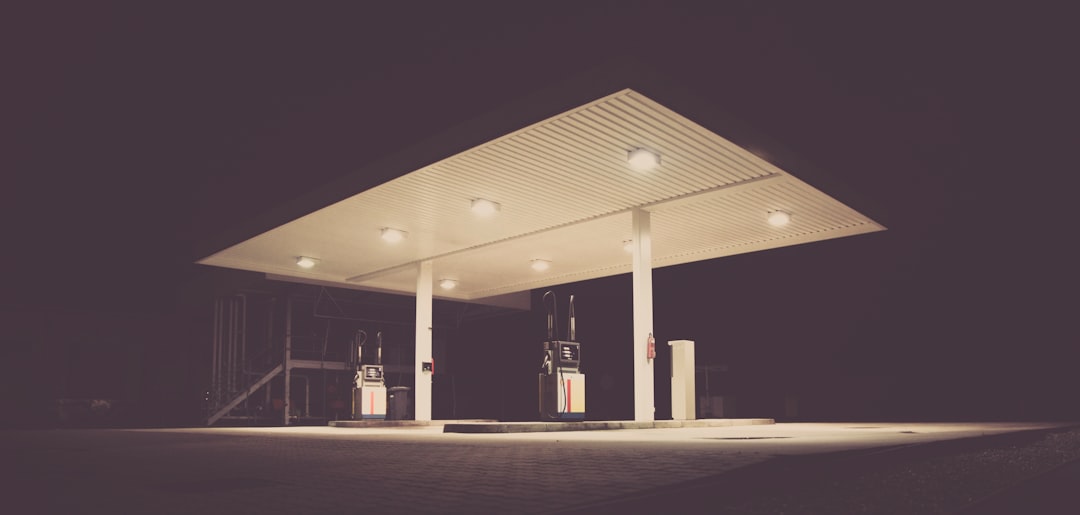
Photo by Pandav Tank on Unsplash

It should not be forgotten that immigration detention is a private industry. There is a whole economy evolved around local jails; local governments make money holding people for the DHS. These private jailers pay counties a per diem. These private companies control the ability to connect with those on the outside. Often, detained immigrants will stay locked up, as on many fronts, the immigration courts are not allowing equitable opportunities to leave on bail while there is a backlog in cases. Our immigration police state enriches the hands of those who own these companies. At the same time, the private jailers also concurrently lobby for stricter immigration control, directly lining their pockets as a result of the suffering of working people.

The continued repercussions of imprisonment fail to see the holistic picture. Though immigrants are needed here, they are not welcome. Our economy is powered by the labor of those who fill roles in agriculture, run a kitchen, program software, and care for our kids. While they work hard, they do not get to reap the benefits of peaceful living. Shouldn’t safety nets apply to those who cook your food, tend your garden, and care for your children?

The forces of globalization have eased the rules on the movement of money. Concurrently, we in the US have tightened the movement of people. As technology brings us closer together, our immigration policy fails to consider the repercussions on the global working class. The economic consequences are evident; everywhere, we are tightening our belts. The added financial pressure leads to an uptick in immigration from those who are drawn to the US for economic reasons. Ultimately, the bombs we drop, the sanctions we impose, and the tariffs we impose have a way of showing up at our doorstep.


Further Reading:


Local Groups to Support:

  • Georgia Latino Alliance for Human Rights (GLAHR) educates and organizes the Latino community: https://glahr.org/community-safety/

  • GAIN Georgia Asylum & Immigration Network

  • El Refugio supports immigrants at Stewart Detention Center and their loved ones through hospitality, visitation, support, and advocacy.

    Share

unAmerican Dreams

Advertisements

Watching ICE in Minneapolis

This year, 2026, should have us all wondering what exactly the “American Dream” means in this moment. Is it an elusive green light at the end of the dock embodied in The Great Gatsby? Is it chasing mythology and social impressions? A close-knit, nuclear family living safely cordoned off behind a white picket fence in a car-based suburb, with cordial relations with state authority and a weekly visit to God. The Hollywood postcard of American perfection needs a splash of modern reality. What is a better depiction of our ideal?

Before ICE began its terrors in Minneapolis over the past few weeks, I had hoped to unpack bits of what it’s like to be an immigrant in this country now. The rhetoric and actions of Trump 2.0 are intentionally nudging anyone unWhite to examine the virtue of living in a white-power America. I have been wondering about how to do this unpacking here, in my community-focused Substack. Without doubt, there are shared parallels between our Atlanta cycling community and the way in which Minneapolis residents are showing up in response to ICE’s presence in the Twin Cities. In essence, the sensibilities of the anti-ICE actions in Minneapolis are parallel to communities acting from kindness and selfless love. These actions are actually a contrast to the traditional ideas encapsulated by the American Dream.

At the beginning of this year’s onslaught, America illegally attacked Venezuela. That was pretty American. The USA: a hypocritical paternalistic bully, screaming abroad about the very liberties we do not have domestically. I wondered about the asylum seekers who have immigrated here to escape Maduro’s regime. How does it feel to be immigrants in this America? The very conditions they fled under a dictatorship are raging in the American injustice here.

Instagram Rabbit Hole

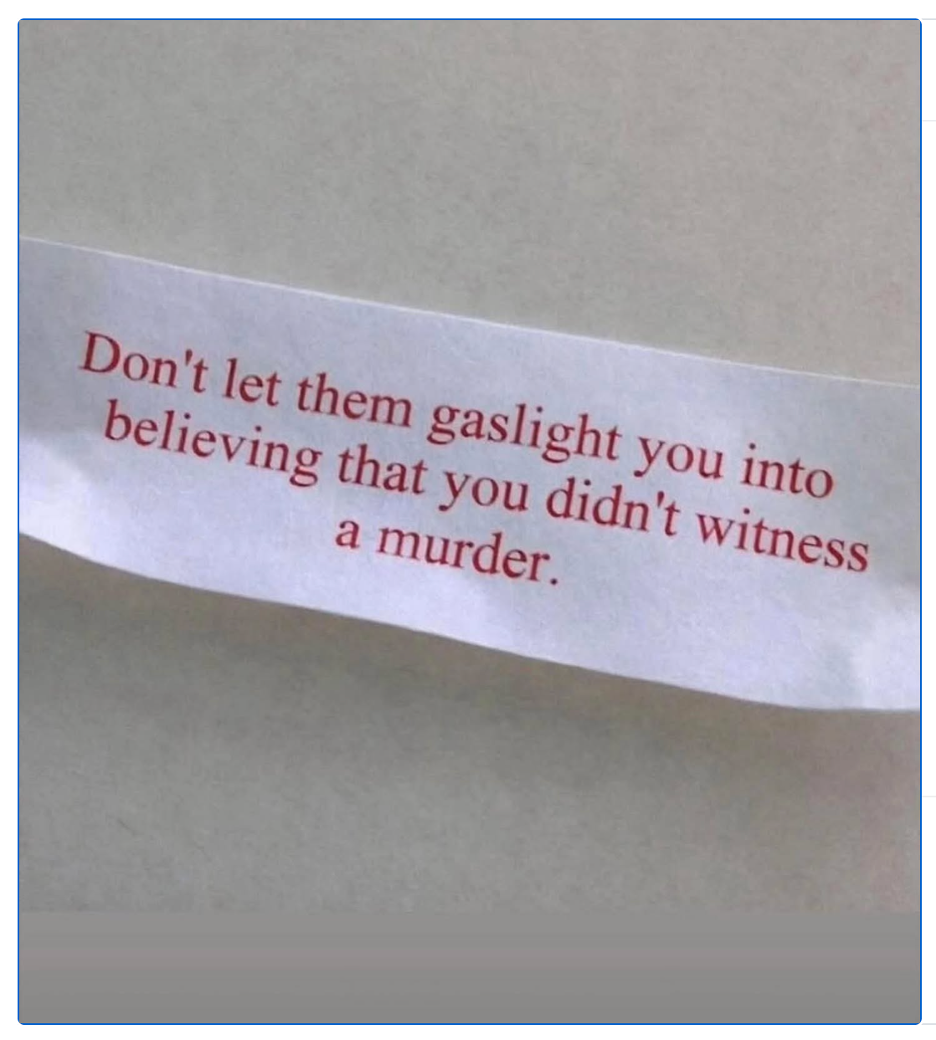
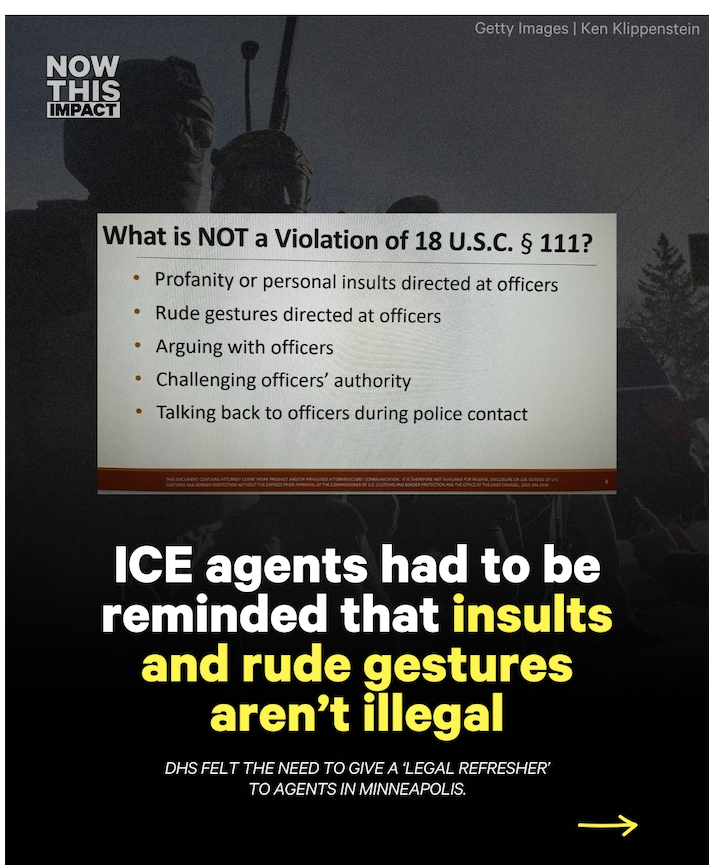
Just after that attack abroad, one week into 2026, I watched in horror the brutal video of poet Renée Nicole Good being murdered in the streets. Within minutes, we were being lied to by twerps in federal offices. Not yet through the vigils and memorials for her loss, I felt a glimmer of hope in her Good’s resistance. For a few bright hours last week, I grew triumphant pride for Minneapolis in a historic city-wide strike on Friday, January 23, in Minneapolis. In response, on Saturday, January 24, the day after the city-wide strike, yet another Good Samaritan Alex Pretti, a cyclist, VA Nurse, United States citizen, was executed in the streets of Minneapolis. Again, ICE began gaslighting the country.

I have not shared much here about my history as a lawyer. My first full-time job was as a young immigration attorney, which had followed a year-long public interest internship hosted at my law school. The draconian consequences of immigration law ARE emotionally taxing. I left that first job ages ago and only recently have found some strength for that work again. I mention this to add context; in both the courts and in the streets, due process is dying.

NOW THIS

The murders of Good and Pretti stand out to me. Many have died through abysmal conditions in detention centers. Yet, these two, who were martyred at the hands of ICE feel different. They were actively moving us towards a dream that was unAmerican. Instead of comfortably hiding in the pockets of their white privilege, Good and Pretti were on the streets. They put their bodies on the line for those outside their nuclear family. They were working within the confines of the law to provide evidence and justice against the country’s thugs. In exercising their constitutional protections, they met the countries ugliness in ICE. Good and Pretti tested the promises of the American Constitution. Proximity to brownness is dangerous here. Ultimately, the resisters in Minneapolis were really fighting for equality. They were out in neighborhoods caring for one another in decentralized, organic moments of community resistance.

The people on the ground there paint a vision of a collective dream deeply antithetical to the values embodied in the typical American dream. The people who are opposing ICE in Minneapolis are heroes. Their actions are entirely unAmerican. They represent, instead, a growing demand for collective action, humanism, and solidarity with the less privileged. It took murdering a privileged class of white people in cold blood, in broad daylight, to make a large part of this country see our collective American nightmare. The resistance to ICE embodies the liberation imagined in dreams of collective action.

Good and Pretti shared a spirit which was larger than the American dream you and I were sold. Their spiritual lift is for a softer, more human country. Their actions and lives illustrated a counterpoint to the limits of the Hollywood citizenry. Good, for example, a queer woman leaves behind a blended family. Good was looking out for, and taking care of a community around her. She found herself at the most dangerous place in the world. She was killed at the juncture of American police, patriarchy, cars, and guns. At the ugly juxtaposition where an insecure “trained” male ICE thug killed her and collectively punished us. The intent is essential.

Photo by munshots on Unsplash

The people on the ground in Minneapolis represent a bright hope for the better. Their on-the-ground actions for collective equality, brotherhood, and peace are not American dreams at all. They are entirely unAmerican. A true telling of the making of America makes this clear. There is a long history to cover here: about land stolen from natives, colonizers who spat on the collective kindness of the natives, and then unrepentantly betrayed the gifts of the indigenous in a celebration called Thanksgiving.

The value of education and creativity is to grow the capacity for dissent. Do the checks and balances we advertise abroad also apply to ICE? My unAmerican roots press me to question this. The public relations packaged dreams that brought my body here do not seem to fit the values embodied in our federal government. The America I see unfolding in Minneapolis is NOT the typical imagery advertised in Hollywood’s public relations script for America. I have been unpacking the expectations of my immigrant past alongside the myths advertised in the American dream. Filled with growing rage and grief, this country is making me wonder what it is we mean by the “American Dream.”

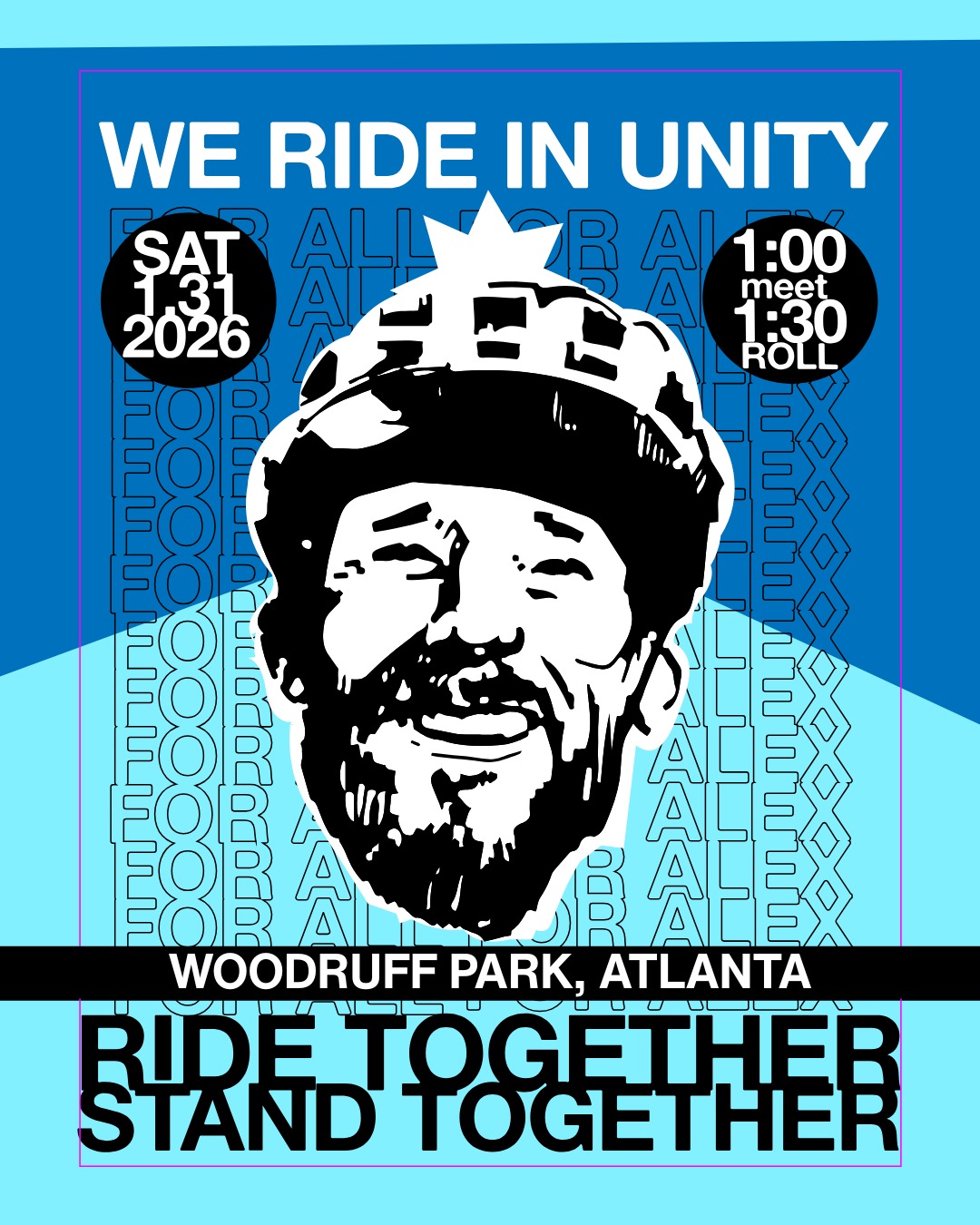
Do NOT despair. Act. A multi-state vigil ride in solidarity for cyclist is being organized by Alex Pretti’s cycling community. An Atlanta ride will roll on Saturday 1/31/26 at 1:30pm. Options for a shorter ride are also available. Please check with your bike buds!

Goodbye 2025!

Advertisements

A year in review

2025 Has Been a Wild Ride. This year has been one for the books, a book that belongs on the shelf. I’d like to put the onslaught behind me.

The terror known as 2025 included the horrors of the inauguration of Trump 2.0, the collective rage about health care after the United Health Care CEO was shot in late December 2024, and a systematic and sinister dismantling of our federal government via Project 2025. If that was not enough, under the current orange maniac’s regime, we are moving towards an all-out race war carried out by ICE. On a personal level, the year has also been hellish. I found myself stuck in a big home that I could not afford, which I sold at a loss after much drama and dismay. In April, I was laid off from one of my all-time favorite jobs. In other places, I found myself too committed to projects to back out, and exhausted from my own sense of loyalty. Largely I have been operating this year under a sense of the blues.

Over the years, I have honed practices to ground me when times get difficult. As I am getting ready to send 2025 away, I turn to these as part of my annual reflection. I write good moments and put them in my happiness jar and I journal nearly every day. From these two tools, I reflect back on the highs and lows of the year, as I take cues on what to plan ahead.

Bike Bounty

Adventures by bike made a strong showing in my happiness jar. Bike riding, and the community around it are consistently bringing me joy. This year, I was happy to see fellow artist and cyclist behind the BikeDork zine selling merchandise. I also returned to New Orleans for the World Naked Bike Ride. This year, the crew from Atlanta was around 20 cyclists, up from just three of us in 2024.

I entered my first bike race, an alley cat, this year. Points were issued by marking off places on a bingo card, with sites chosen based on monuments and mementos for women in the city. I found myself lucky that the race seemed beginner-friendly. I managed to join with a bad-ass woman who excels at GPS. She plotted us to points; I won some Red Bike& Green bike socks. We all had fun!

Book Clubbers

The only club I attended this year was a book club. In fact, I inadvertently started two clubs of readers. My first group of unbridled enthusiastic book nerds became closely knit and not ready to take on casual readers. I realized in our December meeting that we can serve as an anecdote to the big ugly overpowering forces of capitalism. I noticed that the majority of this crew of readers has a graduate degree, and are involved in works making the world a better place. Together, I feel we are like the Earthseed community in the Parable of the Sower; we grow the future by sharing humanity through literature. I have always wanted to read with a small group of friends and for me this group is an absolute dream come to fruition. Together, we feel seen, learn nuances, and consider alternatives to our status quo.

3. Artsy Aspirations

I have had the unexpected privilege of seeing a variety of shows this year. While I normally don’t always have tons of disposable income, I have worked some meaningful shows into my budget. I saw Sammy Obeid, a Palestinian comedian with a crew of irreverent friends. I watched an afro-futurist play, enjoyed an 18+ puppet show, a one-woman play, and some standup comedy. I also performed twice this year: a soliloquy at Joy Deficit, and two of my own poems at the Soap Box Gallery. The last show I watched was a clown show at Dynamic El Dorado. It was a timely reminder that absurdism can create powerful parody in these times.

4. Nature & People

Nature has long been a balm for my soul. In my happiness jar, two of my camp trips were rainy. Although wet, they were still a pleasant relief from city life. Thanks to my favorite adventure partner, I had a surprise hike along the East Palisades trail. It was a surprise because I cannot believe I’ve lived in Atlanta the majority of my life without having trekked along the Chattahoochee like that. While I was doing my visits in nature, the trees and scenes reminded me that we people are like plants.

We thrive by reciprocal care. I realized that I am done with one-way relationships where I’m the only one doing the watering. The emotional work of caring for one another is watering. Together, this the work of love; it comes from reciprocity of effort and attention. I found that in many places, I was doing the heavy lifting alone. In the upcoming year, I am done with treks across town to feel ignored and unseen. Forget it. I learned long ago that it is much better to be alone than to be with the wrong company. I am grateful for the plants who reminded me: Draining your own power is a sin unto yourself.


With these few insights and lessons from 2025, I move with excitement towards 2026. In good news, I note that as a Fulton County voter in District 2, I finally have a representative who represents my values! While my personal world and the conundrums in political affairs have pushed me towards the edges of my capacity, I still remember that we are more than the absolute disgust of 2025.

Trump 2.0 can continue to baffle us with stupidity, criminality, and callous inhumanity. Nonetheless, there are those of us that will continue to remember the efforts of the Gaza Freedom Flotilla. We may be disappointed by western imperialism and the hypocrisy of colonialists, but still there are folks willing to get back on boats and demand reciprocal relationships, with their government, from their friends, and towards Earth.

Privilege & Place

Advertisements

Making Space

In one of my past lives, I walked up alone to a dinner reservation at a fancy restaurant in Charleston, South Carolina. The hostess and bar staff there looked confused to see me. Only when my 6’4” blonde-haired Southern (now ex-) boyfriend stood by me did they begin the effort of hosting. We were offered a plastic smile, a greeting, and then a table.

Over time, I observed how David’s presence, his tall, pale, sun-kissed Irish complexion, made a world of difference at the hostess stand of Charleston restaurants. The demeanor and availability of tables changed as David entered the space. Service became attentive, instead of lackadaisical. It took several iterations of this before I could dare call it privilege. The many ways in which restaurants, police, and the public interacted with David were a confirmation of the privilege of being white in the American South.

green trees near white concrete building during daytime
Photo by Darryl Low on Unsplash

W.E. DuBois used the idea of privilege to talk of social advantages enjoyed by poor white Southerners. Later, the concept gained wider application in the work of a feminist scholar. Privilege can be defined as the unearned access or advantages granted to specific groups based on social group membership, often based on race, social status, and money.

For me, encounters within the cloister of privilege often seemed like an accident. I did not grow up in the position of being a frequent customer at fine dining restaurants. The comfort of dining out in today’s America is also the space of a privileged class. Most conversations on privilege focus on the dominant cultural privilege of being white, male, and cisgender. Geography, education, and money also play a role in the power games that confer some of us unearned preferential treatment.

Three years ago, when I returned to the American South from Tokyo, I wrote a piece on the passing of one of my maternal aunts. I have a large, extended global family. This aunt had recently been living in Tucker, Georgia. Though we were not the closest in spirit or relationship, we were essentially neighbors. This aunt had lived a life across two continents. Her grandkids were living a life kissed by the blessings of privilege in America. In probing their privilege, I realized that I, too, grew up with a silver spoon. The freedom with which I roamed along byways, parks, and public spaces came from privileges I took as a given. There is an unspoken social privilege kids carry when, on Halloween, they walk up to whichever home, in a costume or not, to trick-or-treat.

There is undoubtedly a privilege conferred by educated, hardworking parents that is often hard to pinpoint. When my family immigrated to the United States in the late 80s, their foreign medical training was not deemed worthy of practice in American clinics. To support their young family, my physician parents purchased and ran a combined convenience store & gas station on Stewart Avenue. This street, now called Metropolitan Parkway, was synonymous with prostitution, crime, and illegal drugs. One night at their Citgo, with a smattering of racial slurs, someone tossed a Molotov cocktail into my father’s car. The next day, my dad had to have a bulletproof glass window installed in the tiny convenience store on site.

Most of my life, I lived without the language to talk about the nuances of privilege. At times, I’m a sensitive introvert; I often observe behavior without actively creating ripples in action. It was largely in traveling outside of my comfort zone that I began to see how the various privileges overlap and overlay on one another.

Privilege extends to geography and passport. Anyone with an American passport has both this privilege and the ick of Trump 2.0 when they arrive at international customs and border checkpoints. As a traveler, I observed how power extends to whiteness, education, and a passport.

Nationally, the rhetoric suggests that America’s doors are being shut. The actions of ICE are a violent, ongoing, blatant effort to revive America’s racism. It would look
like the country is out to retract the invitation of Lady Liberty.

As a member of a global diaspora, I see firsthand the corrosive impact of capitalism, racism, and prejudice. Often, it is easier to see the antagonism of privilege, directly: oppression, than lack of privilege. In Tokyo, I felt this readily upon seeing a “No English Menu” sign outside a popular restaurant. In my desire to know, heal, and overcome the vestiges of these forms of social domination, I have tried to parse the nuance of the divisive effects of such prejudice. Collective liberation requires our courageous hearts to open the door where privilege would limit access.

There are still those who demand another way. It may be rare for people to actively hold the door open for others. When they do, it can be imperfect, misguided, or
backfire. I came to this understanding over and over again. In the past year, when
an individual I welcomed to many circles intentionally stood in the way of extending the same spirit, I found myself at the limit of my compassion. Still, there is a part of me that hopes and looks to find a better way.

Hallelujah!

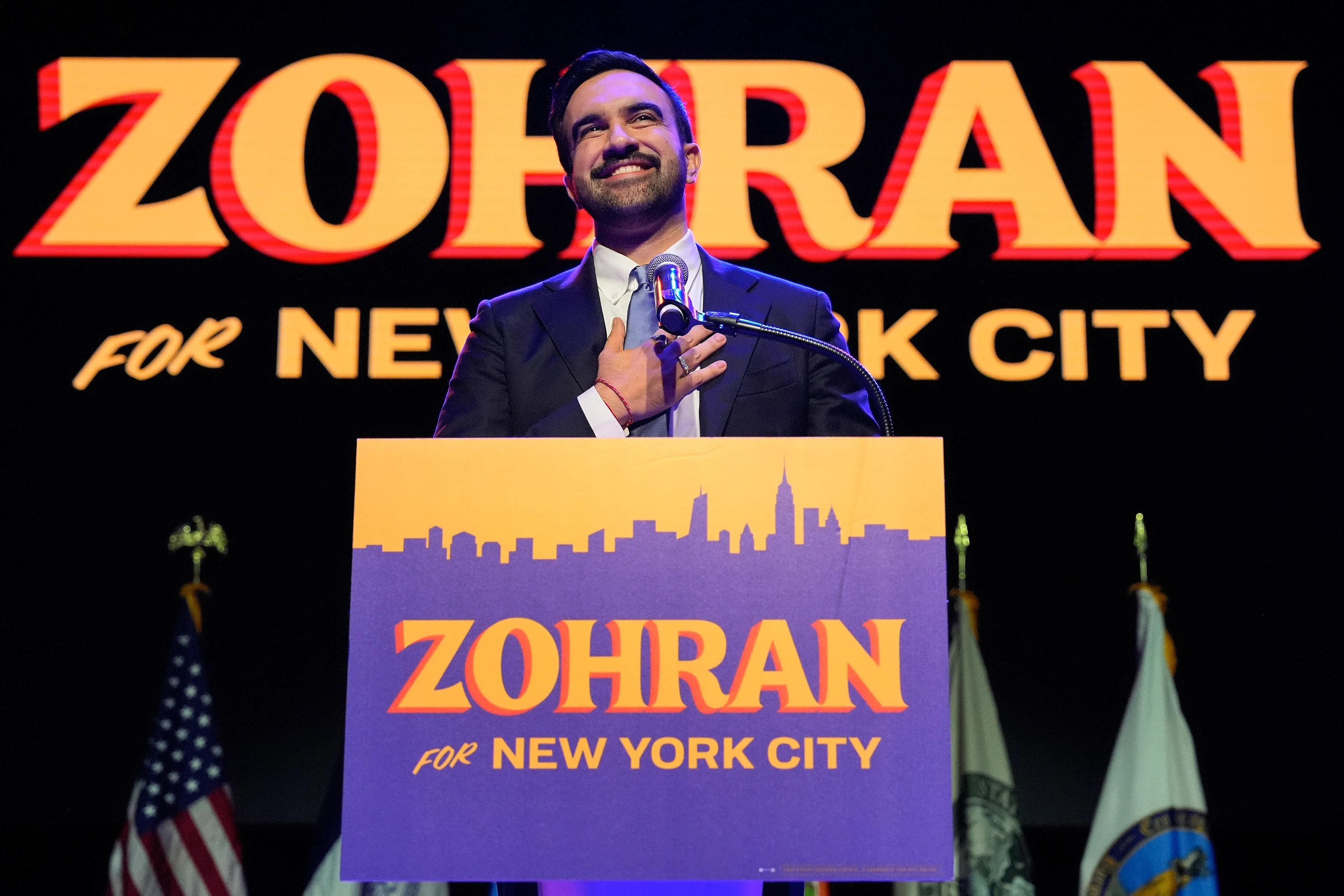
At the threshold, there are people in the doorway whose value systems must be fundamentally different. In place of the individualism and smallness at the heart of capitalism, some hold that sharing with others does not take away from us. That sharing with others makes our world bigger. It is in these individuals that I find hope in the future. This may explain the beauty I see in Zohran Mamdani’s campaign to be NYC’s mayor.

In turning with kindness, generosity, and openness, some will help turn the ugly workings of capitalism on its head. I find myself grateful and impressed by the worldview of those expanding the circle of inclusion. On rides, I admire and respect those who actively aim to grow diverse communities. Within the world of Alchemy, the initiative to offer tickets to BIPOC or the differently abled people suggests that community leaders see the need for opening the experience to those without the same privileges. Where there are people who want to extend the benefits of their privilege, I see a quietly revolutionary response required to meet the moment.

Thanks for reading Sabrina’s Humaning Newsletter! This post is public so feel free to share it.

Share

Joy in the Pages

Advertisements

Comfort within Book Ends

For this month’s Substack, I am sharing some powerful words I read with my book club.

Reading with a small circle of friends has been transformative. We read to grow the mind and expand the heart. In time, we have shared wounds, lessons, and joy.

Below are a few quotes from my readings this year.

1. This collection of prose-poems is certain to soften your heart.

“who decides? who decides when the punishment is over, when justice is served? who decides who is worthy of the power to punish, to take life in their hands? i want to ask this same question of the cops. the courts. the people who made prisons. i want to ask where the right to violence comes from, who grants it, who makes the distinction between violence for justice and violence for domination.”

2. This work examines the pan-gender damage of the patriarchy.

“Learning to wear a mask (that word already embedded in the term “masculinity”) is the first lesson in patriarchal masculinity that a boy learns. He learns that his core feelings cannot be expressed if they do not conform to the acceptable behaviors sexism defines as male. Asked to give up the true self in order to realize the patriarchal ideal, boys learn self-betrayal early and are rewarded for these acts of soul murder.”

3. An examination of our collective myths and how it hurts us to navigate them on autopilot.

“We are taught both to minimize the harm we experience and to deny and defend ourselves when anyone tells us we hurt them. As a result, most of us are unskilled at giving and receiving feedback, which limits our self-awareness and damages our relationships.”

4. From the most powerful 100 pages I’ve ever read.

“There are too many things we do not wish to know about ourselves. People are not, for example, terribly anxious to be equal (equal, after all, to what and to whom?) but they love the idea of being superior. And this human truth has an especially grinding force here, where identity is almost impossible to achieve and people are perpetually attempting to find their feet on the shifting sands of status.’“

My love for James Baldwin inspired me to create a book club. His work, The Fire Next Time, is like a religious text. This should be required reading in high school. I’ve written Baldwin on MLK Day and believe that anyone willing to engage with his ideas will find that together, we can change the world.

Have you read anything that meets the moment? If so, please feel free to share here!

Conflict in Community

Advertisements

ADHD, Conversations & Perfectionism

On a recent weekday morning, I made a local coffee shop my unofficial office. As I contemplated how this change of scenery could help my competing to-do list items, I remembered how much I love getting lost in people-watching… Coffee shops help me get to some tasks while helping me avoid others. Each of the two appointments who met me at the coffee shop that morning mentioned their ADHD within the first two minutes of sitting down. A third appointment never showed up.

ADHD has been heavy on my mind lately. Earlier this year, I saw parallels between the very public drama in Alchemy leadership and within my smaller social circle. In each space, I saw that ADHD was used to sidestep conversations that would have helped alleviate misunderstandings. I have been thinking about how “ADHD” is mentioned in response to any difficult or uncomfortable task.

In our pleasure-seeking society, it is no wonder so many of us struggle with setting priorities. We are tied to dopamine-high hunting which lets us avoid the important, urgent, and ugly. We would rather do what gives us instant gratification. Everyone puts off doing their taxes, seeing their lawyer, or getting work done at the dentist; these are not anyone’s top appointments. These important things are dreaded and delayed.

Photo by Ian Barsby on Unsplash

While I enjoy writing, publishing anything requires a constant push. I know little about the clinical, biological, or textbook variations of ADHD. No doubt many people suffer from the clinical diagnosis of ADHD and struggle with priorities in their everyday lives. In recent years, ADHD has become a popular excuse, justification, or explanation. To make sense of this tendency, I wondered if ADHD is now just a shorthand for the avoidance of unpleasant tasks.

In both communities, interpersonal strife and conflicts grew due to “ADHD.” Unpleasant conversations were pushed aside. Our aversion to difficult tasks shows up as a form of resistance, forgetfulness, or avoidance. The uncomfortable gets relegated to later. This tendency to put off what is difficult can lead to conflagrations later. Two interrelated reasons exist for this. First, we have difficulty having nuanced conversations. Second, we fear being deemed imperfect.

Crucial Conversations

We often skip out on challenging conversations when we feel they require too much effort. For example, if someone is repeatedly dismissive of me in group settings, I should address it sooner rather than later. If I let it go once, by the second time, my silence has set a precedent. Furthermore, it becomes difficult to take on topics if something hurts or challenges us. Bringing up our sore spots involves actual effort and intention. It is infinitely easier to avoid, put off, or ignore.

Addressing annoyances, boundary violations, and disrespect requires skill. Over time, the repetitive nature of these injuries requires an even larger toolkit to broach them. If we lack the language, willingness, or ability to address this proactively, it hinders the community’s ability to see and hold space for its members. Addressing conflicts before conflagrations requires emotional work and a willingness to see others. Sensitivity, nuance, and openness are needed to truly give one another space. In a healthy community, we address misunderstandings proactively.

We need language and effort to resolve slights before they become conflicts. If things are heavy or we feel unskilled, it is easier to avoid them or “ADHD” the task. Thus, when there are misunderstandings in boundaries or respect, it takes effort to really get to them.

Perfectionism

Relatedly, although each of us is flawed in some way, we are desperately afraid of being imperfect. ADHD is deeply related to perfectionism. We put things off if we cannot do them well. In community, this manifests as avoiding tough conversations to “people-please.” This is one of my struggles. Sometimes, sharing an entirely different worldview feels like too much effort. This same difficulty keeps us from speaking our minds in group situations.

We are afraid of having unpopular opinions, being judged, or misunderstood. As a result, this people-pleasing perfectionism keeps us from showing up authentically. Taking on slights and making yourself understood runs counter to feel-good culture. Our national litigiousness manifests on a personal level with individual blame-placing. As a result, there is a resistance to taking on responsibility and comprehensively addressing the consequences of our behavior in community.

Accountability is not about perfectionism. Acknowledging conflict and our parts in it makes people anxious. It can be uncomfortable to face one’s actions. If accountability is seen as punitive, it sows an unhelpful seed and is counterproductive to growth. Accountability seems like punishment if calling out bad behavior is seen as an attack. Punishment says you are wrong and/or bad. Accountability says you make and learn from mistakes. (Thanks, Brene Brown!)

Inspired by the desire to be liked by everyone, you cannot have the courage to voice your own position. When your sense of self or place in the world is delicate, you lack the courage to say what you genuinely need. No wonder ADHD is a convenient way to sidestep difficult discussions. People are often too involved with their world to imagine being slightly uncomfortable for the greater good. A whole other post could discuss the difference between safety and discomfort. How would the community look if we gave each other grace for taking things head-on instead of fearing how it would look?

Photo by Stormseeker on Unsplash

We carry into our communities the biases, bull shit, and baggage within us. Yet, we all have the capacity for growth and repair. From the lessons of this year, I hope to nip future misunderstandings in the bud. I can use these lessons to create space to hold others in their difficulties. The nitty-gritty drama of the two community conflicts I witnessed are a microcosm of the world.

We don’t all have to be besties; yet we must acknowledge the many ways we hide, avoid, and let conundrums fester. Strengthening our communities means doing the emotional work around understanding. Community making always requires more work than sidestepping. ADHD may very well clinically keep us from taking on difficult or uncomfortable conversations. Still, there is beauty in working towards resolving our minor misunderstandings. Ultimately, how we show up speaks to the suffering through the inconveniences it takes to create community.

Why NOT to Sue

Advertisements

Reciprocity in Community

The pre-op conversation before I got metal screws in my wrist was distressing; it is not where you expect to get legal advice. On an early June morning in 2023, two weeks after my cycling accident, I was lying horizontal in a hospital gown with scars still raw on my face and my right ankle in a cast. A close friend stood by my side as a crew of nurses and assistants prepared me for surgery. They asked how I ended up with all this trauma. When they heard the details, they insisted I sue the parties involved. They urged me to consider the long-term cost of cracked teeth, broken bones, and therapy. They did not know this was the umpteenth time someone would tell me to take legal action.

They probably did not know I was a member of the legal profession; I have been an attorney since 2009. Their words, delivered with good intentions, activated my eye’s water glands. Their litigiousness within this space of healing made me sad. As a lifelong bleeding heart, I know the power (and pains) of litigation. I also recognize the corrosive power of lawsuits.

Post-Operation

We live in an already disgustingly conflict-ridden society. I recognize the power of law and its historical use to reinforce the interests of the propertied class. One of the first court cases we studied in law school was an application of might versus right (conveniently convoluted as the Discovery Doctrine). The entire Trumpian empire, for example, uses the law as a shield for accountability, immorality, and to sow discord. There is a better way.

Knowing what action to take in a disaster or conflict can be difficult. In such cases, large-scale event organizers should maintain liability insurance. Would the costs of such a policy be borne by everyone else? I am not certain that our community could operate under this type of constraint. In consideration of our community, what would a lawsuit do? It would likely quell the desire to lead rides. Would it deter reckless or negligent actors? I doubt it.

When we act in community, we operate in a place beyond capitalism’s calculated contemplations. The cycling community is a gift society. The beauty of the shared group ride is shrouded in communal care. The M+M ride organizers set up a GoFundMe for my medical expenses. They worked with me to increase the campaign’s goals when we learned more about my injuries.

The corollary to the ability to ask for help is the capacity to give. In this sense, we keep the flow of goodwill going with a sense of reciprocity. Somewhere in there, we must hold space for grace. In the aftermath of my wreck, I found only the heart to write about my concerns. To a group and community that gave me so much, a lawsuit would have negated the kindness, support, and consideration shown to me.

In some ways, one individual’s carelessness was a cost borne by an entire community. Not long after my wreck, I met with the guy whose tricks led up to my accident. He looked torn up about his actions. As he sat across my dining table, I asked him what his idea of accountability was. He stayed silent. Though we had met only a few weeks before through mutual friends, I could tell he needed grace.

Reid’s Gift of Salad: AMAZING!

To this day, cyclists lament the end of M+M. While that ride no longer rolls, many other Monday night rides have cropped up to fill the void. Each of these ride leaders is giving a gift to the community. What impact would litigation have had on this generosity? Besides a potential pecuniary benefit to me alone, what would have been the actual costs of legal action? I did not want to participate in that harm. It would be like looking a gift horse in the mouth.

Our national culture seems to train us to become litigious monsters seeking every opportunity to avenge a slight. To forgive and act with grace, in this time, meant to avoid enacting further harm. Blame-shifting has limited utility in providing care. The genuine concern is to look for a bigger solution behind our litigiousness. What would it look like if we didn’t have to fight each other over the cost of quality health care? I do not believe slapping my colleagues with lawsuits would do anything to prevent future fuckups.

Ultimately, the capacity to give and share keeps the flow in the community. In writing about my wreck, I elevated concerns to potential cyclists in these groups. This helped raise awareness and created changes in ride planning. Yet, it left enough space for others to plan and lead rides. This community brings me too much joy NOT to share. It is the generous spirit of giving that inspires a return in reciprocity.

A Homemade Butterfly Cake!
Posted in Uncategorized | 1 Reply

Bridging the Racial Divide

Advertisements

Is cycling segregated in Atlanta?

This year’s Atlanta Cycling Festival included a wide range of rides. We had a ride for murals, for donuts, and even for those wanting to flirt on two wheels. In a nod to understanding the city, the organizers arranged a panel discussion on segregation and equity. On a post-ACF ride, some Atlanta cycling elders were hanging out and talking about the perceived segregatedness of the Atlanta cycling community. Their conversation reminded me of the moment that I learned, during the 2024 ACF, that another cycling festival was happening on the west side at Gordon White Park. The target audience was different. How do we make sense of these different cycling circles?

Mural: Decatur, GA

Indeed, the Atlanta cycling community can seem pretty segregated. It is not separated by official rules (de jure, by law) but by individual riders’ decisions (de facto). Though Atlanta is called the black Mecca, our social spaces are not immune to the power dynamics inherent in our national culture. Trickles of white supremacy culture exist in our social lives, workplaces, and even our domestic relationships. This is not a ding on any individual. It is, however, a good moment for sincere examination of our blind spots and our room to grow. What can we do to bridge racial divides? How can we welcome others to our social club? We can do that by becoming aware of the various reasons there is segregation in our cycling community.

We all want places to feel comfortable—a place to feel safe, and where we feel we belong. That safety is not natural because of the aggregate effects of our history, power structures, and unexamined biases. Invariably, being clear on a trajectory and being woke means utilizing the tools of decolonization and liberation to create a more connected and kind community. Social belonging and being treated with dignity are not equally meted out in our cycling circles. It is easy to overlook what would bring someone else comfort and safety. While we want diversity, it may be good to note the various ways race-awareness meets at the intersection of privilege. With understanding and nuance, we can find ways to bridge the divide.

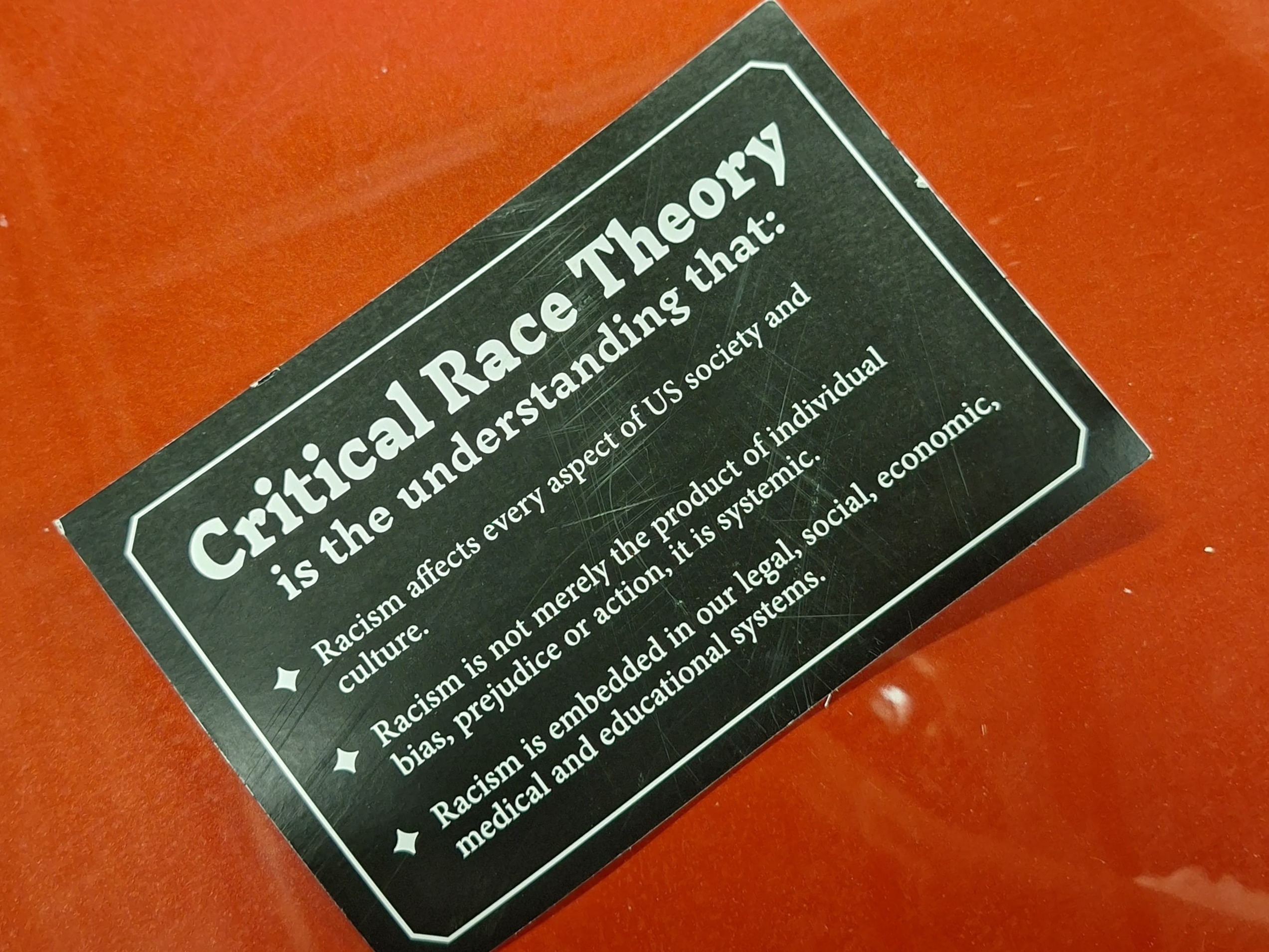
I come to this discussion with the lived experience of a brown body and a soft heart. With the eyes of a newer Atlanta cyclist, and with over 30 years of calling this place my hometown, I sense we can continue to connect across an uncomfortable history. Part of this requires facing the consequences of our past. Critical race theory provides tools to analyze power structures and develop the capacity to interrogate them. When it comes to understanding the racial divide in our cycling community, we can begin by considering how black and brown bodies are treated in public spaces.

National History

One of the easiest places to see the American advantages of whiteness is in the types of physical infrastructure available in predominantly white neighborhoods. Metropolitan areas across the country are shaped by intentional racial segregation at the hands of the federal government. This short video, Segregated by Design, was developed from the work behind The Color of Law, a book inspired by the failings of the US Supreme Court to understand the history of intentional federal segregation.

The national consequences of neighborhood development are further magnified by the City of Atlanta’s policy choices, which overwhelmingly created gentrification, displacement, and further racial inequity. Dan Immergluck’s book Red Hot City sheds light on the underdevelopment of Atlanta’s predominantly black communities. As a cyclist, these are evident for those with the eyes to see. There is less street lighting, fewer bike lanes, and safety infrastructure. In Atlanta, I challenge you to ride along the Prado of Piedmont Park. Compare that to the greenest street you can find on the Atlanta westside.

Racial Power Structures

Within a group, different people will have various levels of comfort and different consequences from minor rule-bending (trespassing, for example). The color of our skin magnifies the differences in potential reactions, from authorities or motorists. The Movement for Black Lives underlines this ongoing discrepancy. Our riding behaviors reflect the power structure that is ever-present.

We, individually, as cyclists, have various degrees of comfort when taking the lane. When I recently rode with a primarily black group of cyclists, I noticed a preference for using the bike lane. Others may feel safest to take the whole lane even when a bike lane is present. Underneath our external visible behaviors, we carry internalized power structures in our world.

Who has the ability to cork is another example of these dynamics at play. When someone corks, they put their individual body and bike in front of oncoming traffic, and ask the car driver to pause as a group of cyclists rides by. The ability to cork is an exercise in the power dynamics of car versus bike. Not every body will have the same power to cork.

Just a few months ago, a close friend of mine experienced the brunt of this power dynamic while cycling with his wife. They are both of Indian origin and were physically assaulted while riding bikes in their midtown Atlanta neighborhood. A motorist got out of their car, threatened to hit them, and then returned their car and proceeded to reverse the car into this cycling couple. This was intentional, and no police action was taken against the motorists. Possibly, no assault would have taken place if the couple were white. Perhaps the police would have helped track down the motorist if the power dynamics were skewed differently. Unfortunately, there are uncountable instances of similar aggression on the road for cyclists of color.

Unexamined Privileges

Beyond the physical structural differences, bridging a cultural divide requires nuanced understanding of socially reinforced elements of white supremacy culture that trickle into our leisure choice. Curious to check out your own biases? There are some interesting online quizzes to help you see your own. By directing the power of our awareness, we can examine the contours of our personal lives that are shaped by power dynamics resulting from white supremacy culture. This isn’t simply in the world of bikes, but everywhere. These dynamics can also get in the way of our racial intermingling. People invariably socialize where they feel comfortable. What social reasons could help color our understanding of our separate cycling circles?

I suspect many of us send out micro-aggression missiles without realizing it. I have heard and seen cyclists participate in culturally unaware aggression on bikes. Of course, this privilege goes beyond race and includes class, status, education, and various social power dynamics. Smiling to put others at ease is a common American social pressure. Performative smiling is a form of socially mandated niceness. It is commonly asked of people of color that we smile to put others at ease; it becomes exhausting.

My personal pet peeve is tone-deaf and aggressive questioning. Insisting and demanding answers of a stranger can come off as culturally and socially unaware. It can easily relate to a history of being “made” to earn your space; as if you are not already entitled to belong. I once addressed the persistent, “where are you from?” in a blog post. As I write and mention these nuances, I anticipate also the inability to receive critical feedback. The combined economic and social implications of our culture demand that we process and acknowledge different forms of sharing. Our intentions can be good; our actions can be better. Even within my Indian community, colorism and the baggage of white supremacy demand reflection and reform.


We all self-select our leisure activities. As a group ride, our interactions with motorists, authorities, and one another are very different from our individual exchanges on the road. These various dynamics are at play everyday we visit 97 Estoria for a group ride. In a more sensitive environment, we can have a place to check our privilege, entitlement, and cultural context.

Next time you bring yourself into a dynamic community, pause to think about the various privileges at play. Perhaps you could enlighten a Karen to consider why street lights and cycling infrastructure are unequally distributed around Atlanta. An answer that could help deliver her from an unexamined future in the throes of privilege. I sincerely believe we do have the potential and power to connect with others. It begins with a deeper understanding of how our national history of white supremacy, our local power structures, and our unexamined bias affect the ways in which we interact with one another.

An Ode to Vulnerability & Community

Advertisements

Reflections At Joy Deficit

Creating art, telling stories, and sharing vulnerability opens the door for community. It has been 2 years since my May 15 accident on a ride during the 2023 Atlanta Cycling Festival. To commemorate these two years, I shared a lesson on developing community at a local show called Joy Deficit. This monthly show is held at the Red Light Cafe and is made up of skits, songs, and talent shared on a theme. As the theme for the last Joy Deficit was community, I talked about how vulnerability can help us develop community. (I ad-libbed from an outline.)

Here, I include a fuller version of my thoughts.


On Vulnerability & Community

As a country, we are in a state of shock and facing deep uncertainty. The actions of this administration have targeted and isolated many vulnerable communities. It is enough to make a person want to clam up and hide from the world. But by refusing to remain silent in the darkness, we can move towards deepening our ties to community. By acknowledging our vulnerability, we can counteract the stubborn myth of rugged individualism in our culture. None of us is radically independent. We are all interdependent.

Atlanta roads illustrate our city’s car-supremacy model. There are potholes on the roads, aggressive and entitled car drivers, and poorly maintained infrastructure. Riding bikes here is an act of defiance. Cycling in this physical space requires care. As we band together, our power grows.

In my early cycling days here, I saw how groups of bikes are larger than the sum of each individual cyclist. It is easiest to see this cohesion on the monthly Critical Mass ride. On the last Friday of every month, we ride together in a pack that can easily go into 300+ people. A group like that causes a bit of a stir. Together, we form a critical mass on the street. Collectively, we make our way through the road like a school of fish.

This community ethic shines through the “no drop ride.” When a ride is designated this way, it is an acknowledgement from the ride leader that they intend to ride together with the group. If you are at the back of the pack of cyclists, in a no-drop-ride a ride leader will adjust the pace. If there are mechanical issues, the group will pause or provide support so that no one “drops” from the ride.

Two years ago, when my cycling crash left me in a state of shock, I could have disappeared into the silence. Yet, while I was still in the hospital, one of the M+M organizers discussed with me a GoFundMe they created. Considering the litigious nature of our country, it was a bold and kind step for them to offer.

At first, I was a bit embarrassed to receive help. It went against the boot-strappy nature of my immigrant upbringing. Nonetheless, for the four days I was in the hospital, I saw that my visitors sincerely wanted to support me.

Many people did not know how to help but wanted to show moral support. I found that by asking sincerely for what you need, you are giving others a chance to honor your situation. Some people saw it as paying karma forward; others answered a calling within them. One cyclist, Reid, whom I first connected with on Twitter, visited with two of his daughters. In that moment, I could see that this dad’s compassion was sowing the seeds for a kinder future.

Through the genuine warmth I found in those early days, I found the courage to ask for support publicly by writing about the experience. Sharing the details of my accident helped inspire some groups to create guidelines like “no trick riding” on group rides. In developing a different ride protocol, Midweek Roll tried to create a safer group ride. Seeing these attempts at prevention reinforced for me the importance of dialogue. By writing about my struggle, I shared the human consequences of being thoughtless in such a unique group setting.

Beyond material support, I felt understood and seen. These individuals turning towards one another showed that we are strengthening the community web each time we turn towards one another. I suspect that our social networks operate as a spider web. As we turn our attention towards one another, we spin a web of caring. As we magnify someone’s light by seeing them, we deepen our threads of care. When someone returns our call for support, it brings us all closer to one another. Our individual cares connect us to a large, interwoven web of connections. Through many iterations of turning towards one another, we develop a robust, interwoven community.

In caring and serving one another, we do deepen the bonds of community. We are not lone wolves. As I recoil from the ugly actions from our country’s leaders, I return to the lessons of my wreck Together we can reject the ideologies of hyper-individualistic capitalism. By sharing our vulnerabilities, we reject isolation. By sharing our difficulties, we become stronger together.


A few days after my talk, Midweek Roll celebrated it’s fourth anniversary. This group embodies what I appreciate about our community. See more photos of the MWR 4th Anniversary here. This celebration was focused on acknowledging the volunteers in our community. I feel blessed to be part of this crew.

Songs of Resistance

Advertisements

Can you hear the people sing?

In my last Substack post, I highlighted the various ways I intend to maintain my mental health during Trump 2.0.  I have chosen my battles carefully and continued to pay attention in the past weeks. Lately, I find myself reflecting on the role and power of art.  From many in my social circle, I hear crickets responding to the rapid disintegration of our “democratic” way of life. While they may have no words, I find it unconscionable to remain silent. I wonder if my role is to help awaken the silently “woke” people. 

Saluting the Georgia Legislature

For those of us paying attention, we are in an unprecedented time. As a longtime activist, treehugger, and supporter of humanity, I have been plugged in and committed to fighting back. Yet, I have never seen the levels of egregious disregard for humanity that I see coming from the new presidential administration. (A short refresher via links here: this past weekend was the illegal arrest of a green card holder and Columbia University alumni activist by ICE, last month’s slashing of federal workers (and national park employees!!) by an unelected bureaucrat, and the hypocritical censure of Representative Al Green at the State of Union.)

For these and many other shenanigans, I am without words. Victor Hugo, author of Les Misérables, wrote,”Music expresses that which cannot be said and on which it is impossible to be silent.” As a tribute to this sentiment, I turn to the power of song. 


Songs of Resistance

1. Les Misérables | Do You Hear the People Sing?

From the works of Victor Hugo, the musical Les Miserables is one of the longest-running musicals on Broadway. The movie edition depicts this scene in Paris where a funeral procession turns into a statement of collective power.

In the notes regarding his work, Hugo wrote this prescient note to his Italian publisher:

“Social problems go beyond frontiers. Humankind’s wounds, those huge sores that litter the world, do not stop at the blue and red lines drawn on maps. Wherever men go in ignorance or despair, wherever women sell themselves for bread, wherever children lack a book to learn from or a warm hearth, Les Misérables knocks at the door and says: “open up, I am here for you”.

This song has been sung in a number of salient political moments. I especially loved to see the US Army Chorus sing this at the 2025 Governor’s Ball.

If the US Army Choir has the courage to sing this in front of our political leaders, including the angry orange man, what is stopping other Americans?

2. The classic Italian protest song Bella Ciao

This classic song was first sung to protest the poor working conditions in northern Italy. During World War II, it was used to resist the power of German Nazis and other fascists.  

Tom Waits sings the lyrics of Bella Ciao in a collaboration with videos of protests against the positions of Trump 1.0. The clip indicates the courageous protestors speaking out against the racist approach being taken by the Trump administration in immigration.

 This YouTube short shows this song being sung as recent resistance in front of an anti-immigrant party in Germany (AfD).

3. My Curated Playlist on Justice

As a gift to the reader, please enjoy my playlist centered on global justice. The list of songs spans different genres and languages. In it, I carry forward the hope that music can unite us as we grow courages to answer the demands of justice. I have selected this assortment of videos as the lyrics and images together deliver a powerful statement. Two exceptional videos are highlighted here.

(1) Classic Indian dance set with a poem by Nikita Gill recited by Anousha Shankar along with her masterful sitar playing.

(2) On of my favorite lyricists and artists is the Puerto Rican badass Residente. This video is his response to “This Is America” a song by American rapper Childish Gambino. Residente’s work is a powerful and graphic reminder of the history of colonialism on this continent.

4. The Radical Act of Caring in Public 

I believe our capacity to show empathy for others makes us human. In the same vein, imagine if you were born in a different land or to different parents. It takes an act of caring to feel for those who may be situated in other ways. Below are the details for an event announcement where I will share two poems on these themes.

The below text is taken from the Instagram post announcing this event provided here as a courtesy.

(Announcing our Featured Guests for OPENING NIGHT THIS FRIDAY: Poet @sabrinaofatlanta , Storyteller @jawahir_kamil & our curator @johnnyarthur7 will help weave the stories of struggle and resilience as documented in this exhibit by offering orated pieces of their own. Mark your calendars and stay tuned — schedule TBA TOMORROW.

Save the Date: On Friday March 14th, ATL Radical Art & @wrfgatlanta Soapbox Gallery will be opening our newest exhibit entitled ‘Colonial Casualties: Struggle & Resiliency Against Empire’ curated by John Arthur Brown, Artist Member of ATL Radical Art. STAY TUNED for more details and evening schedule! Showing March 14th- May 4th 2025 SOAPBOX GALLERY, 1083 Austin Ave. 2nd Floor.

ABOUT: ‘Colonial Casualties’ is a body of photographic work curated by John Arthur Brown that centers the struggle & resiliency of the Global Majority, as seen through the immigrant and refugee experience under Empire. Brown embarks on illustrating the ways in which colonial expansionism and its global hegemony manufactures, often through ethnic cleansing campaigns and other means of erasure and displacement, the conditions that necessitate migration and create refugees. ‘Colonial Casualties’ looks at the lived experiences of immigrants and refugees as they seek relief away from their homelands.)

This Substack, Sabrina’s Newsletter with theme for “Humaning,” began as a testament to care. The community that helped me heal after my tragic and freak accident reminded me of the power of care. Strangers and acquaintances came out of the woodwork to check on me. While their lives demanded so much from them, people came to check on me. Caring for one another is a radical act.

I invite every reader here to share in this radical act with me.

Thanks for reading Sabrina’s Newsletter! This post is public so feel free to share it.

Share